Most people who call me have already worked out that they need help. What they are stuck on is who to use.
The short version; ask whether they are IRCA-registered, whether they will come to your site, whether they are independent of the certification bodies, what your system will actually look like, who maintains it after you are certified, and what their pass rate is. Those six questions will tell you most of what you need to know about a consultant before you commit any money. The rest of this article explains why each one matters and what a good answer sounds like.
Are they IRCA-registered?
Ask whether the consultant is IRCA-registered, which means an independent body has assessed their competence as a lead auditor rather than them deciding for themselves that they know enough. IRCA is the International Register of Certificated Auditors. Anyone can describe themselves as an ISO consultant, because the title is not protected. Registration is one of the few things you can verify yourself before you sign anything. You can check the register at quality.org.
Will they actually come to you?
Ask how many site visits are included and what happens if you need someone at short notice. A management system that reflects how your business really works is very hard to build over a video call. If a consultant works entirely remotely, ask how they intend to understand your operations well enough to write procedures your team will follow. Remote support has its place once a system is running. Building one from scratch is a different matter.
Are they independent of the certification bodies?
Ask whether they will recommend whichever UKAS-accredited certification body suits your business, or whether they always send clients to the same one. SOme certification bodies allow the auditors to work as consultants to their client (non-UKAS accrediated certification bodies). Ask as well whether the certification body is UKAS-accredited at all, because a certificate from an unaccredited body may not satisfy the client who asked you for certification in the first place. You can check accreditation on the UKAS website.
What will your management system actually look like?
Ask to see how they have adapted a system for a business of your size and sector. If what comes back is a folder of templates with your company name inserted, you will spend the next three years maintaining somebody else’s paperwork. What you want is procedures written around your processes, in language your team recognises, short enough that people will actually read them.
What happens after you are certified?
Ask who is running your internal audits, holding your management review, closing corrective actions and preparing you for the surveillance visit roughly twelve months later. Certification is the beginning of the work rather than the end of it. If the answer is that you will be doing all of that yourself, ask how many hours they estimate it will take, then decide honestly whether you have those hours.
What is their track record?
Ask for numbers rather than adjectives. How many clients have they taken through first certification, and how many passed first time? What about surveillance audits and recertification? Anyone confident in their work will give you a straight answer.
Can you do ISO certification yourself instead?
Yes, some businesses do manage it internally, and if you have somebody with genuine time and the right temperament for detail, it can work perfectly well. It becomes worth paying for help when you are bidding for contracts that require certification and cannot afford a delay, when a recent audit has raised nonconformities you are not sure how to close, or when your existing system has drifted so far from how you actually operate that nobody uses it. There is no shame in either answer. If cost is what is driving the question, it is worth understanding what ISO 9001 certification actually costs a small business before you decide, because doing it yourself does not remove the certification body fees.
Why choosing somebody local matters more than you would expect
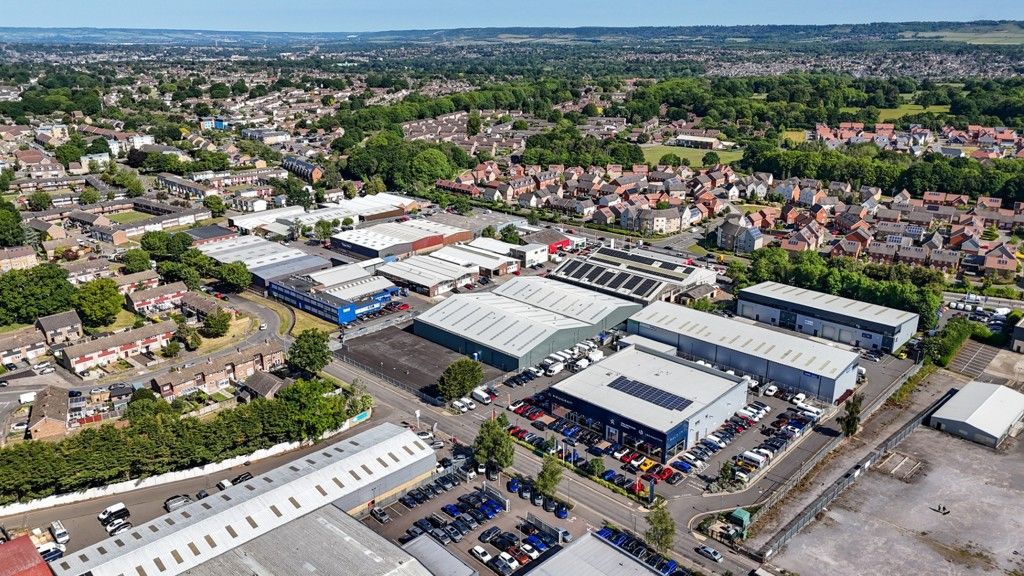
A local consultant can be on site the same week when something goes wrong, rather than fitting you into a diary three weeks out. I am based in Ditton, just outside Maidstone, and I work across Maidstone, Medway, Tonbridge and Sittingbourne. That means I have seen how businesses around here operate, from the industrial estates at Quarry Wood and Parkwood through to the trade parks in Tonbridge and Sittingbourne.
Larger consultancies can do good work. What they can rarely offer is the same person every visit, and continuity turns out to matter enormously once your system is live and somebody needs to remember why a procedure was written the way it was.
Where we fit as Kent’s Compliance Managers
I am an IRCA-registered Lead Auditor for ISO 9001, ISO 14001 and ISO 45001, and NEBOSH qualified in health and safety. Every client I have supported has passed their certification audit first time since 2022, and the same applies to surveillance and recertification audits. I work on site, I only use UKAS-accredited certification bodies, and I stay involved after you are certified rather than handing over a folder and moving on.
My husband Tim works alongside me. His background is in precision manufacturing means he has had years of experience in this environment and understands processes from an employee POV.
If you are in Kent and weighing this up, book a half hour and I will tell you honestly what your situation would involve, including whether you would be better off doing it yourself.